Global Supply Chain and Logistics Market Trends 2026

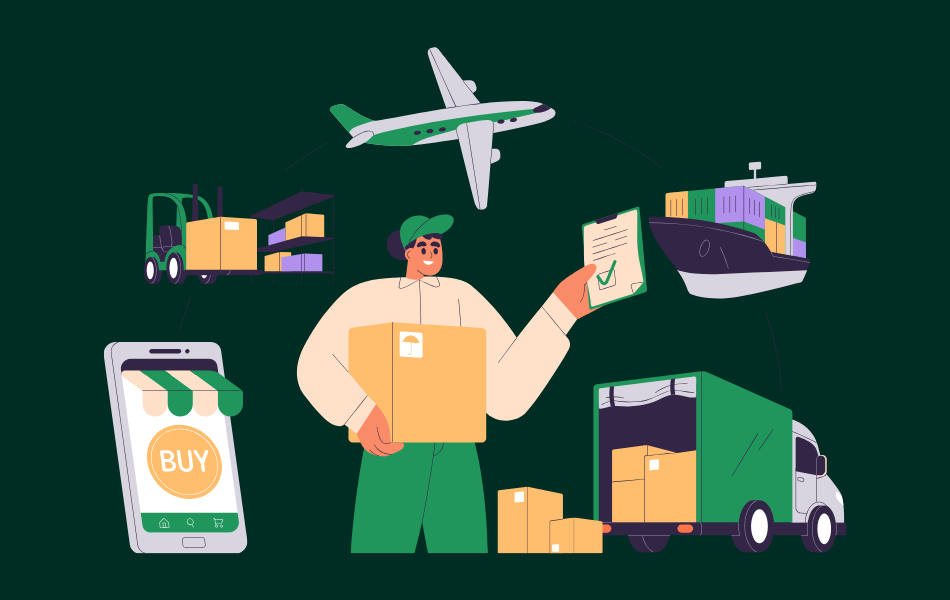
Global supply chain and logistics network showing cargo ships, freight trucks, cargo aircraft, smart warehouses, distribution centers, shipping containers, AI-powered logistics systems, inventory tracking, procurement operations, and digital transportation technology connected across international trade routes, representing global supply chain and logistics trends in 2026, logistics automation, warehouse modernization, freight management, supply chain visibility, and worldwide commerce.

Supply chain and logistics markets are changing fast in 2026. Global trade shifts, freight demand changes, warehouse automation, digital supply chain adoption, procurement modernization, and regional supplier diversification are shaping how companies find vendors, partners, and buyers. For B2B teams, this change creates a clear need for verified decision-maker data.

Sales and marketing teams can no longer depend on broad company lists or outdated contact records. They need accurate supply chain data that helps them reach logistics decision-makers, procurement teams, warehouse leaders, freight operators, and technology buyers.

A verified Global Supply Chain and Logistics database helps businesses identify target accounts, improve segmentation, support sales outreach, and build stronger campaign performance. For companies selling software, equipment, freight services, consulting, data enrichment, or manufacturing solutions, access to updated B2B supply chain contacts can improve buyer targeting and reduce wasted effort.

What Is Global Supply Chain and Logistics Data?

Global Supply Chain and Logistics refers to the connected network of suppliers, manufacturers, freight providers, warehouses, distributors, and technology systems that move goods across markets.

This includes transportation, warehousing, procurement, manufacturing supply chain, freight operations, inventory movement, supplier management, distribution, and global trade and logistics. It connects raw material sourcing, production planning, shipping, storage, delivery, and post-sale movement.

For B2B teams, Global Supply Chain and Logistics data means verified company and contact information for professionals working across this network. It may include job titles, company names, emails, phone numbers, industry, location, employee size, revenue range, department, technology use, and other data fields.

This type of contact database helps businesses find supply chain professionals who influence purchase intent, vendor selection, procurement cycles, risk management, supply chain visibility, and technology adoption.

Why Supply Chain Data Matters for 2026 Growth

Purchasing Global Supply Chain and Logistics data matters in 2026 because more companies are modernizing how they buy, move, store, and track goods. Digital transformation has pushed logistics service providers, warehouse and distribution businesses, freight and transportation companies, and procurement teams to review new tools and vendors.

B2B marketers need accurate data to reach the right accounts during active buying windows. Sales teams need verified logistics contacts to connect with people who manage budgets, vendor lists, freight operations, automation projects, and procurement decisions.

A strong B2B database for logistics helps companies:

  • Enter new regional markets with better targeting.
  • Reach logistics decision-makers faster.
  • Build account-based marketing campaigns.
  • Support supply chain lead generation.
  • Segment contacts by country, industry, role, and company size.
  • Improve CRM quality through data enrichment.
  • Increase qualified leads for sales teams.
  • Reduce bounce rates with better email deliverability.
As regional supplier diversification grows, companies also need access to contacts across the USA, UK, Canada, Germany, Australia, Europe, and APAC. Verified supply chain business data helps teams focus on the right buyers instead of broad, low-fit audiences.

Key Benefits of Verified Logistics Contacts for B2B

Verified logistics contacts give sales and marketing teams a clearer path to the right accounts. Instead of reaching broad company inboxes, teams can connect with decision-makers based on role, region, industry, and buyer intent.

Better Decision-Maker Targeting

  • Reach procurement managers, logistics heads, operations leaders, warehouse directors, and supply chain executives.
  • Focus campaigns on contacts tied to vendor selection and purchase cycles.
  • Improve messaging by matching offers to each role.

Faster Lead Generation

  • Build segmented campaigns without starting from zero.
  • Support cold email, event marketing, sales outreach, and ABM.
  • Help SDR teams spend more time on qualified leads.

Stronger Segmentation and Regional Targeting

  • Segment by country, industry, job role, company size, and location.
  • Build custom data lists for specific markets.
  • Target transportation and warehousing contacts by region.

Better CRM and Campaign Accuracy

  • Remove duplicate records.
  • Enrich missing company data.
  • Improve email deliverability and conversion rates.
Business NeedHow Verified Data HelpsB2B Use Case
New market entryFinds target accounts by regionAPAC logistics campaign
Sales pipeline growthConnects teams with decision-makersFreight software outreach
Event marketingBuilds attendee and sponsor listsLogistics trade show campaign
CRM cleanupUpdates missing or old recordsData enrichment project
ABM campaignsSegments high-value accountsSupply chain SaaS targeting
Regional salesFilters contacts by countryUSA warehouse automation list

Access Verified Supply Chain Contacts Now

Top B2B Database Providers for Logistics Markets

Several data providers support B2B teams with contact lists, email data, and industry targeting. The right choice depends on coverage, accuracy, compliance, segmentation, and support.
ProviderBest ForKey Strength
eSalesClubSupply chain and logistics B2B data631K+ verified contacts, 40+ fields, 120+ countries
MedicoLeadsHealthcare contact dataHealthcare-focused professional lists
DataCaptiveB2B and industry databasesBroad business contact coverage
TechDataParkTechnology and user-based dataTech-focused audience targeting
CampaignLakeMulti-industry campaign dataIndustry and function-based contacts

eSalesClub is the strongest option for businesses targeting supply chain and logistics professionals. It offers 631K+ verified supply chain and logistics contacts, 40+ data fields, 95% accuracy with regular updates, an 85% email deliverability guarantee, 100% opt-in and permission-based contacts, and coverage across 120+ countries.

The database supports B2B marketing, sales intelligence, account-based marketing, logistics email list building, market expansion, and data enrichment. Contacts are updated every 30 to 45 days and go through a 7-step verification process with AI checks and manual validation.

How to Buy a B2B Database for Logistics Teams

Buying a B2B database for logistics teams works best when you start with a clear audience plan. A strong data provider should help you define your market, review samples, check data fields, and confirm compliance needs before delivery.
  1. Define your target market based on product, service, and region.
  2. Select job titles such as logistics managers, supply chain directors, procurement heads, warehouse managers, and operations leaders.
  3. Choose filters for company size, industry, country, revenue, and business type.
  4. Request a free sample list to review data quality.
  5. Check available data fields such as email, phone, company, title, location, and industry.
  6. Confirm compliance alignment for GDPR, CCPA, CAN-SPAM, ACMA, and EDPB.
  7. Finalize the list format for CSV or Excel delivery.
  8. Launch segmented email, calling, event, or ABM campaigns.
  9. Track results and refresh CRM data every 30 to 45 days.
We support CSV and Excel delivery, custom list-building support, 10+ segmentation options, and free sample review. This helps teams test fit before they launch full campaigns.

Connect with Verified Supply Chain Buyers

How to Buy a B2B Database for Logistics Teams

At eSalesClub, we provide B2B sales data designed to support lead generation and sales development with quality B2B Data. With our B2B Database, organizations can discover ideal customers, gain qualified leads, and improve conversion rates using verified company and contact information.

For Global Supply Chain and Logistics targeting, We offers 631K+ verified supply chain and logistics contacts across 120+ countries. The database includes 40+ data fields and supports targeting by country, industry, job role, company size, region, and technology use.

Key trust signals include:

  • 95% accuracy with regular updates.
  • 85% email deliverability guarantee.
  • 100% opt-in and permission-based contacts.
  • Updated every 30 to 45 days.
  • 7-step verification process.
  • AI checks with manual validation.
  • Duplicate removal and opt-in validation.
  • Compliance with GDPR, CCPA, CAN-SPAM, ACMA, and EDPB.
  • Easy delivery in CSV and Excel formats.
  • Custom list-building support.
  • Free sample list process.
  • Support available around the clock.
We also supports B2B Lead Generation, Events Database, and Data Enrichment services. This makes it useful for sales teams, marketing teams, ABM teams, event marketers, and CRM managers who need accurate supply chain business data.

Who Should Use Supply Chain Business Data in 2026

Verified supply chain business data works well for companies that sell to logistics, procurement, manufacturing, warehousing, freight, transportation, and technology buyers.

B2B Marketing Teams

Marketing teams can use verified logistics contacts for email campaigns, paid audience building, webinar promotion, account-based marketing, and content distribution.

Sales and Business Development Teams

Sales teams can reach logistics decision-makers, procurement teams, and target accounts faster. This supports prospecting, follow-ups, regional campaigns, and pipeline growth.

Logistics Software and SaaS Vendors

Supply chain SaaS providers, ERP vendors, CRM vendors, route optimization tools, and warehouse management platforms can target companies reviewing digital supply chain tools.

Freight and Warehouse Solution Providers

Freight companies, warehouse automation firms, transportation vendors, packaging suppliers, and distribution partners can use verified contacts to reach active buyers.

Consultants and Event Marketers

Consultants, trade show teams, and event marketers can build segmented lists for conferences, logistics forums, sponsor campaigns, and market research.

Conclusion

Global Supply Chain and Logistics will remain a high-value B2B market in 2026 as companies invest in digital transformation, warehouse automation, supply chain visibility, regional sourcing, and procurement modernization. For businesses selling into this market, verified data can improve targeting, reduce wasted sales effort, and create stronger campaign results.

A quality B2B database helps teams reach supply chain professionals, logistics decision-makers, freight companies, procurement teams, warehouse and distribution businesses, and manufacturing supply chain buyers. It also supports better segmentation, account-based marketing, event campaigns, data enrichment, and market expansion.

eSalesClub gives B2B teams access to 631K+ verified supply chain and logistics contacts, 40+ fields, 120+ country coverage, 95% accuracy, 85% deliverability, and 100% opt-in data.

FAQs

1. What is the company's contact information?

Company Contact Information includes business details such as name, job title, email, phone number, company, industry, location, and opt-in status. Sales and marketing teams use it to reach the right B2B prospects.

2. How do you verify a company's contact data?

Company contact data is verified by checking email format, domain status, job title, company match, duplicate records, location, and opt-in status. Regular updates help keep CRM records accurate for outreach.

3. Why is B2B contact information important?

B2B contact information helps teams reach decision-makers, segment accounts, personalize messages, and support sales prospecting. Verified records reduce wasted outreach and improve campaign quality.

4. How often should contact lists be updated?

Business contact lists should be updated every 30 to 45 days because data decays quickly. Job changes, new domains, company moves, and inactive emails can affect outreach results.

5. Why do sales teams need verified emails?

Verified email addresses help sales teams lower bounce rates, protect sender reputation, and reach active prospects. Accurate email addresses also improve follow-up, lead scoring, and CRM hygiene.

6. Is opt-in contact data important?

Opt-in contacts support permission-based outreach and help teams align campaigns with privacy standards such as GDPR, CCPA, CAN SPAM, ACMA, CASL, EDPS, and EDPB where relevant.
Picture of Adam Rey
Adam Rey

Adam Rey is a results-driven B2B marketing strategist with a passion for data-powered growth. With a strong background in lead generation, content marketing, and sales enablement, Adam helps businesses turn insights into action. He’s known for simplifying complex marketing concepts and building campaigns that drive measurable results. When he’s not analyzing data or optimizing funnels, Adam enjoys mentoring young marketers and staying ahead of digital trends.

Recent Blogs

Buy Email Leads for B2B with verified business email addresses, targeted prospect lists, qualified decision-makers, company contact data, and segmented B2B marketing leads for sales and outreach campaigns.
Looking to buy verified Email Leads for B2B? Discover how targeted B2B email databases help sales and marketing teams connect
Comprehensive list of Shopify stores displayed on a digital dashboard featuring merchant contact information, online retail businesses, eCommerce brands, store categories, locations, and verified data for targeted B2B marketing campaigns.
Looking for a verified List of Shopify Stores to improve your B2B sales and marketing efforts? This guide explains how
Modern supply chain and logistics ecosystem featuring transportation networks, cargo containers, freight operations, warehouses, distribution centers, inventory management systems, procurement workflows, shipping routes, and digital logistics technology supporting efficient movement of goods, global trade operations, warehouse management, freight transportation, and end-to-end supply chain connectivity across international markets.

Global Supply Chain and Logistics Market Trends 2026 Supply chain and logistics markets are changing fast in 2026. Global trade

Get a Free Sample
If you don't have a business email, Click Here